In a world where efficiency and connectivity are fundamental pillars of the supply chain, multimodal terminals have become a strategic component for global logistics. These facilities, designed to integrate different modes of transportation, allow companies to optimize their operations, reduce costs and improve competitiveness in an increasingly demanding market.
In this article, we will explain in detail what a multimodal terminal is and how it works, focusing on the key characteristics that define a railway terminal such as Railport. If you are looking to understand how multimodal logistics can transform the efficiency of your supply chain, this article is for you.
What is a multimodal terminal?
A multimodal terminal is a logistics facility strategically designed to facilitate the efficient and coordinated integration of multiple modes of transportation. Its main function is to act as a connection hub where goods can be transferred from one mode of transport to another without significant interruptions.
These terminals are essential in modern multimodal logistics, as they allow companies to combine the advantages of each mode of transport. For example, rail offers great capacity and efficiency for long distances, while road transport provides flexibility for final distribution. By centralizing these operations, multimodal solutions simplify processes, minimize operational costs, and improve cargo traceability.
Key characteristics of a multimodal railway terminal
To understand what a multimodal terminal is and its strategic value in multimodal logistics, it is essential to analyze its key characteristics, which are divided into four main pillars:
Adapted infrastructure
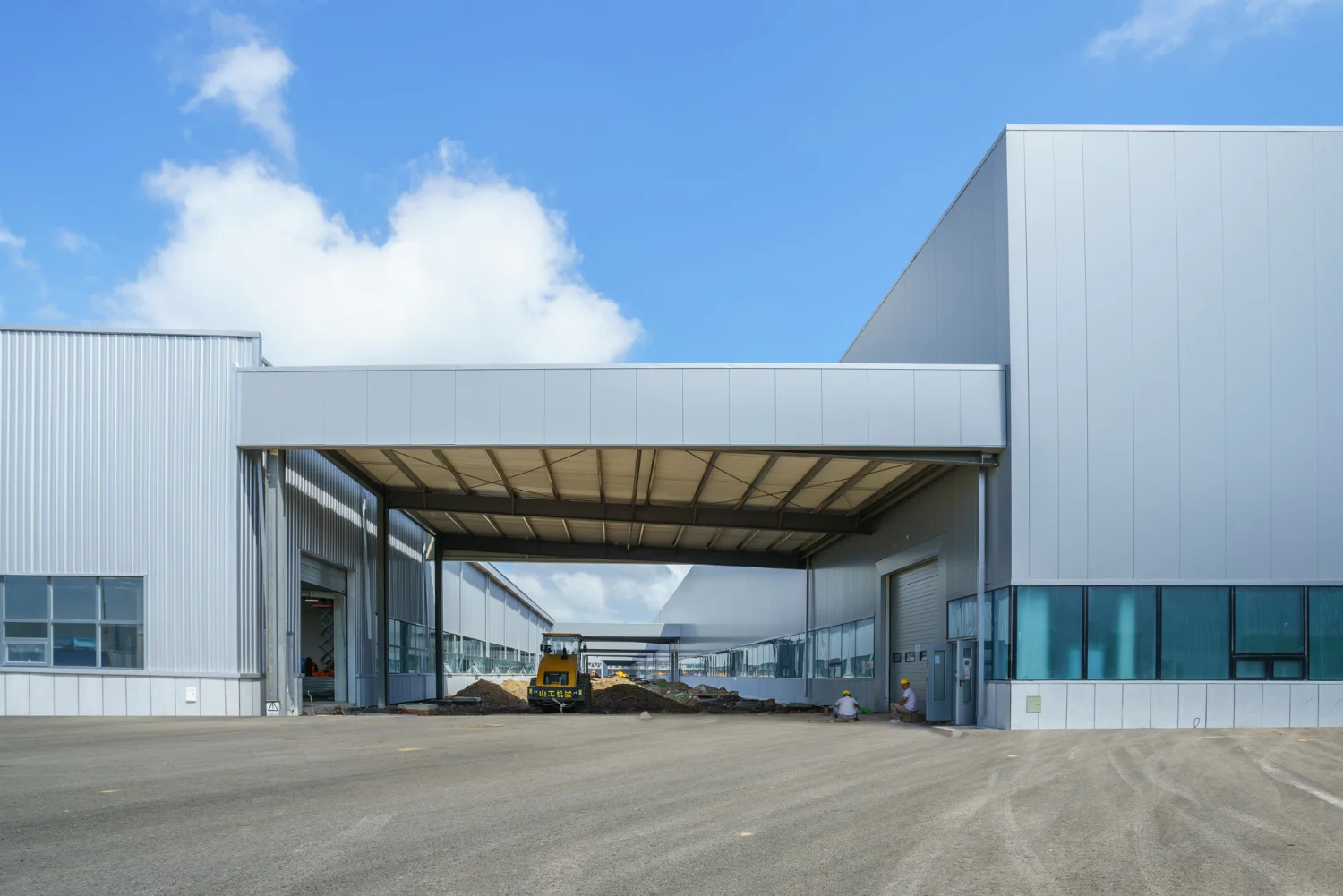
The infrastructure of a multimodal railway terminal, such as Railport, is designed to support complex and large-scale logistics operations. This includes:
- Dedicated railway tracks. A multimodal terminal must offer direct connections to major transport networks. In the case of Railport, we have railway connections such as Ferrosur and Ferromex, which allow the efficient entry and exit of freight trains.
- Maneuver yards. Large and organized areas for the movement and parking of wagons, facilitating transfer operations and reorganization of cargo.
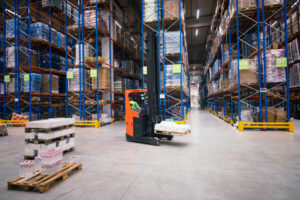
- Storage areas. Warehouses, silos and open areas adapted for the safe storage of various types of goods, from liquids to bulk products and dangerous substances.
This infrastructure not only guarantees operational efficiency, but also complies with safety and sustainability regulations, key aspects for regulated industries such as chemicals or mining.
Specialized equipment
The equipment of a multimodal railway terminal is essential to guarantee agility and precision in operations. Some highlights include:
- Cranes and forklifts. For efficient loading and unloading of containers and large goods.
- Transfer systems. Specialized equipment for handling liquids, minerals and hazardous materials, ensuring safe and leak-free transfers.
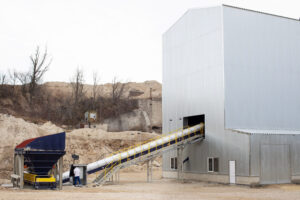
- Bagging and screening technology. Advanced machinery for packaging and quality control of bulk products, optimizing their preparation for transportation.
This equipment not only improves productivity, but also reduces operation times and minimizes the risks associated with cargo handling.
Connectivity
One of the most important aspects of what a multimodal terminal is is its ability to integrate different modes of transportation. This thanks to his location at strategic points.
Multimodal terminals are essential, above all, for national and international trade, as they facilitate the movement of large volumes of goods over long distances.
Comprehensive services
A multimodal rail terminal is not limited to the transfer of cargo; offers a range of multimodal cargo services that add value to their clients’ operations.
Among them stand out:
- Cross Docking. Fast cargo consolidation and deconsolidation services, reducing storage times and costs.
- Secure storage. Warehouses and silos adapted to the specific needs of each industry, from agricultural products to chemicals.
- Management of dangerous substances. Specialized operations that comply with international safety and environmental regulations.
- Bagging and screening services. Preparation of bulk products for transportation and distribution, with quality control included.
They offer a range of additional logistics services, such as warehousing, cargo consolidation and deconsolidation, and inventory management.
What is the difference between intermodal and multimodal?
While both intermodal and multimodal logistics involve the use of multiple transportation modes, they differ in key aspects.
Intermodal transportation is characterized by the use of two or more modes of transportation (rail, truck, ship or plane) to move the same unit of cargo, such as a container or trailer, without handling the merchandise during transshipment between modes. The cargo remains in the same transport unit from its origin to its destination, which reduces the risk of damage and optimizes transfer times.
On the other hand, multimodal transportation also involves the use of several modes of transportation, but unlike intermodal, merchandise can be transferred between different cargo units during the process. That is, the cargo can change container, truck or wagon depending on logistical needs. This approach is more flexible and adapts to complex operations that require handling or consolidation of goods, showcasing the versatility of multimodal solutions.
The following table explains the key differences between both concepts:
| Aspect | Intermodal Transport | Multimodal Transport |
|---|---|---|
| Cargo handling | The cargo remains in the same unit (container or trailer). | Load can be transferred between units or modes. |
| Contracts | One contract for each mode of transport used. | A single contract covers the entire process. |
| Flexibility | Less flexibility; the cargo is not manipulated. | Greater flexibility; allows consolidation and repackaging. |
| Typical applications | Ideal for high-value merchandise or merchandise that requires minimal handling. | Suitable for complex operations (bulk, liquid, hazardous substances). |
| Main advantages | – Cost reduction in long distances.- Lower risk of damage.- Simplified traceability. | – Adaptability to specific needs.- Cost and time optimization.- Comprehensive solution for specialized industries. |
Railport: a specialized multimodal railway terminal
In Railport We are your key partner to connect directly with the most important railway networks in Mexico, such as Ferrosur and Ferromex, ideal for industries that require agile and safe mobility of bulk products, liquids, minerals and other types of cargo.
Our infrastructure is designed to meet the highest standards of safety and efficiency, ensuring that transshipment, storage and handling of goods operations are carried out smoothly and reliably.
¡Contact us today to talk about your project!