Transloading has become a crucial strategy for optimizing logistics operations, especially as businesses strive to keep pace with consumer demand and reduce transportation costs. Yet, despite its advantages, many organizations find it challenging to manage the complexities of this process, often leaving opportunities on the table. With rail often being the backbone of freight transportation for big volumes, understanding how to effectively transfer goods from rail to truck is essential for maintaining a competitive edge.
By understanding the nuances of transloading and applying best practices in your operations, you can enhance your logistics strategy and boost overall performance. Join us as we explore what transloading is in logistics and discuss key strategies for optimizing rail-to-truck logistics, ensuring your supply chain runs smoothly and efficiently.
What is transloading in logistics?
Transloading in logistics refers to the process of transferring merchandise from one mode of transportation to another, often involving a change from rail to truck or vice versa. This method is crucial for optimizing supply chain efficiency as it allows cargo to be shipped using the most effective transport method for each piece of its journey.
Transloading facilitates the movement of goods over long distances while reducing costs, minimizing transit times, and improving overall logistical flexibility. By providing the ability to consolidate and redistribute cargo at strategic points, transloading enhances the reach of distribution networks and ensures that products arrive at their destinations in a timely manner.
Types of cargo that can be transloaded
A wide range of cargo can be transloaded, including:
- Palletized goods. These are products packaged on pallets, such as consumer goods, electronics, and manufactured products.
- Bulk commodities. This includes raw materials like grain, sugar, and minerals.
- Oversized or heavy equipment. This can range from construction equipment to industrial machinery.
- Intermodal containers. These standardized containers are used to transport a variety of goods across different modes of transportation.
- Liquid and gas. Liquid cargo can be transported in specialized containers or tank cars.
How is transloading rail to truck done?
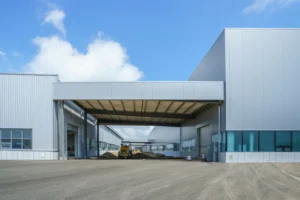
Transloading typically takes place at a transloading facility where specialized equipment and trained personnel are essential for safely and efficiently unloading cargo, minimizing the risk of damage or delay. Below is a simplified overview of the process:
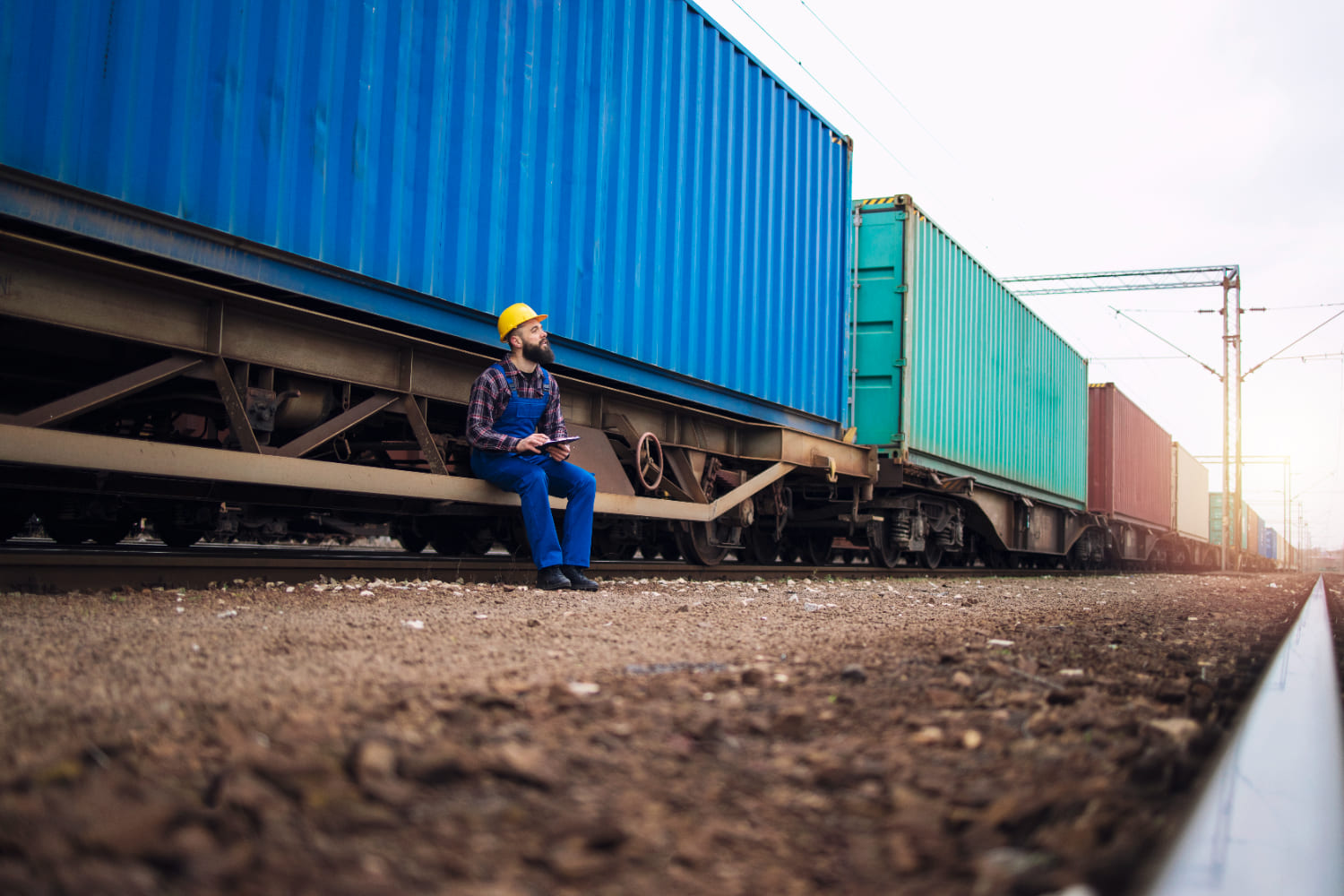
- Unloading cargo from the railcar. Upon arrival at the transloading facility, the railcars are unloaded, and the cargo is inspected to ensure safety and quality. This may involve removing pallets, containers, or bulk materials.
- Cargo consolidation. This process involves the careful aggregation of various shipments into a single, larger shipment to optimize transport efficiency.
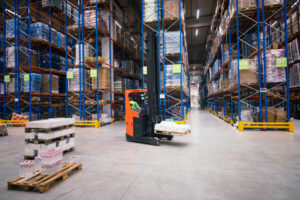
- Loading onto trucks. The goods are organized and loaded onto trucks using forklifts. The cargo needs to be carefully loaded to optimize space and ensure safe transportation.
What’s the difference between transloading and transshipment?
Transloading and transshipment are two distinct logistics concepts that often cause confusion due to their similar-sounding names.
However, transshipment involves the transfer of cargo from one vessel to another at a shipping port before it is dispatched to the final destination, often used in maritime shipping to consolidate goods or optimize shipping routes.
But when we answer the question of what is transloading in logistics, we focus on land transport modes. While both processes involve the movement of goods, transshipment primarily pertains to operations within maritime logistics.
Benefits of transload operations
Transloading offers a multitude of benefits for businesses, particularly those involved in long-haul transportation:
Reduced transportation costs
By grouping smaller loads into one consolidated shipment, it’s possible to maximize space utilization in transportation vehicles, minimize shipping costs, and reduce the carbon footprint associated with multiple trips. Besides, transloading can minimize the distance traveled by trucks, leading to lower fuel consumption and reduced emissions.
Adaptability to changing market conditions
Transload operations provide businesses with the flexibility to adjust their logistics strategies in response to fluctuating market conditions. By allowing goods to be transferred between different modes of transportation, companies can quickly react to changes in supply and demand, regional distribution needs, or fuel costs.
In a rapidly evolving market, having robust transloading capabilities empowers businesses to maintain competitiveness and optimize their operations, ensuring that they can deliver products to their customers in a timely and cost-effective manner.
Reduction of theft and damage
By transferring goods from one mode of transportation to another — often in designated facilities that include high-tech surveillance and controlled access — the risk of theft or damage is minimized.
These operations provide an opportunity to consolidate shipments, allowing for better tracking and monitoring of cargo throughout its journey. Additionally, the careful management involved in transloading helps to reduce exposure to elements and mishandling that can lead to product degradation.
Diversification of transportation options
By utilizing transloading, companies can seamlessly switch between different modes of transport—such as rail, truck, or ocean freight—based on cost, speed, or logistical needs. As a result, transloading not only helps in minimizing transportation costs but also enhances the overall resilience of the supply chain, ensuring that goods are delivered in a timely manner while maximizing operational effectiveness.
Common challenges in rail-to-truck transloading operations
- Equipment compatibility issues. Inefficient loading and unloading equipment can slow down operations and increase labor costs, while poorly maintained infrastructure can lead to delays and disruptions. Therefore, before choosing a cargo transfer service provider, it is important to know their facilities.
- Weather-Related delays. Adverse weather conditions, such as snow, ice, or heavy rain, can significantly impact operations, especially in regions with harsh climates. Working in a covered facility is a plus that can help reduce loading and unloading delays caused by weather.
- Scheduling coordination between modes. Rail and truck services often operate under different timeframes and constraints, leading to potential delays and inefficiencies. Factors such as variable train arrival times, traffic conditions, and equipment availability can complicate the synchronization process, resulting in missed connections and increased operational costs. At Railport, we are happy to accommodate a schedule that works best for you.
- Visibility and tracking. As goods are transferred between rail cars and trucks, maintaining real-time visibility of cargo becomes critical for efficient supply chain management. Any disruptions or delays in tracking can lead to inefficiencies, increased costs, and ultimately impact customer satisfaction. Overall, enhancing visibility and tracking is essential for optimizing operations and ensuring smooth transitions between rail and truck transport.
Optimize your supply chain with Railport’s transloading solutions
Now that you know the answer to what is transloading in logistics, it’s clear that this process offers significant advantages for industries reliant on intermodal transport by reducing costs, transit times, and potential delays.
By efficiently transferring goods between rail and truck, Railport helps businesses minimize transit times, lower transportation expenses, and increase overall logistical adaptability. Our service can also significantly alleviate supply chain congestion, especially when adjusting to sudden demand shifts or last-minute shipping changes. Contact us to discuss your project.